

There comes a point when skin that once felt naturally balanced begins to behave differently.
It may feel drier by the afternoon, less supple after cleansing, or increasingly dependent on richer skincare. Fine lines and wrinkles can appear more pronounced, particularly when skin lacks moisture.
This isn't simply a need for “more moisturiser”. There are physiological reasons why skin becomes drier as we age — and understanding them can change the way we care for it.
In Brief
-
Skin changes on multiple levels with age. Changes in barrier function, natural moisturising processes and skin lipids can all contribute to dryness.
-
Lipids are an essential part of the skin barrier. Ceramides, cholesterol and fatty acids help create the barrier that limits excessive water loss.
-
Hydration and lipid support are complementary. One addresses water; the other helps support the barrier that retains it.
Why Does Skin Become Drier With Age?
Healthy skin has a remarkable ability to maintain its own balance.
Its outermost layers form a protective barrier that helps keep water in while protecting against the external environment. Lipids — particularly ceramides, cholesterol and fatty acids — are fundamental components of this barrier.
As skin ages, several processes change. Cell renewal slows, natural moisturising processes alter, and changes occur in the skin's lipid composition and barrier function.
Research into dry skin has identified ceramides, free fatty acids, triglycerides and components of the skin's natural moisturising factors among the molecules associated with dryness, although the relationship is complex and varies between individuals and studies.
The result can be skin that increasingly feels dry, tight or less supple.
Why Can Dry Skin Make Wrinkles Look More Visible?
Wrinkles are not simply caused by dry skin.
Changes in collagen and elastin, repeated facial movement, hormones, genetics and cumulative environmental exposure all contribute to the visible signs of ageing.
But the condition of the skin's surface influences how those signs appear. When skin lacks moisture, fine lines can look more pronounced and skin may appear less smooth and radiant.
Addressing dryness therefore matters — but simply adding water isn't the whole answer.
Hydration Is Only Part of the Story
Hydrating ingredients such as hyaluronic acid help support the skin's water content.
Lipids have a different role. They are fundamental components of the barrier that helps limit excessive water loss.
Hydration helps support water content.
Lipids help support the barrier that retains it.
For skin changing over time, both matter.
A More Complete Approach to Changing Skin
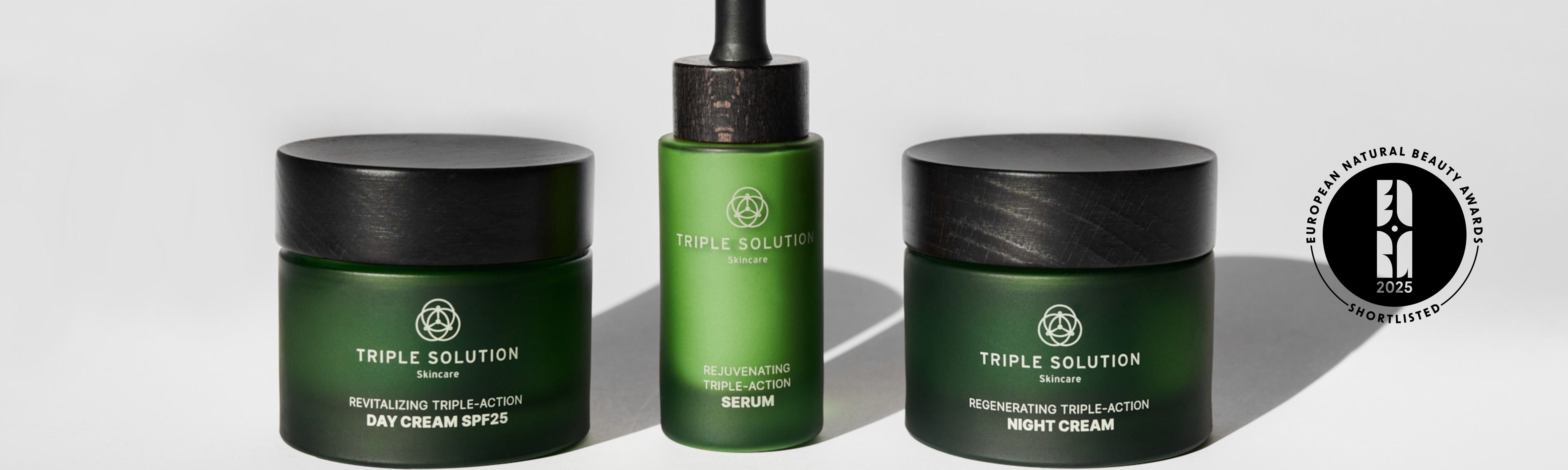
At Triple Solution, this understanding has shaped the way we formulate.
We combine restorative botanical lipids with high-performance actives selected to support several interconnected needs of skin as it ages — including hydration, firmness, elasticity, renewal and protection from environmental stress.
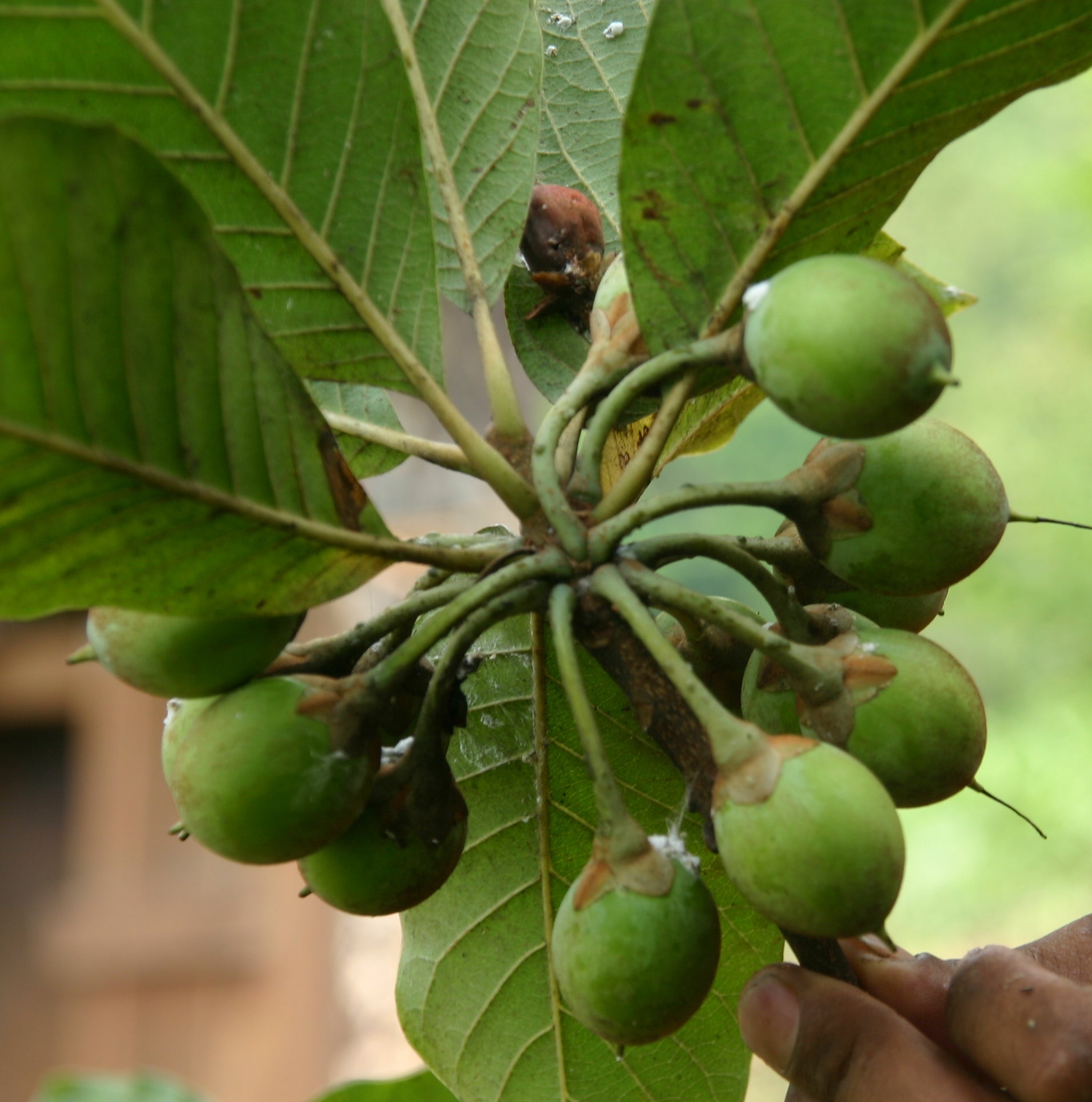
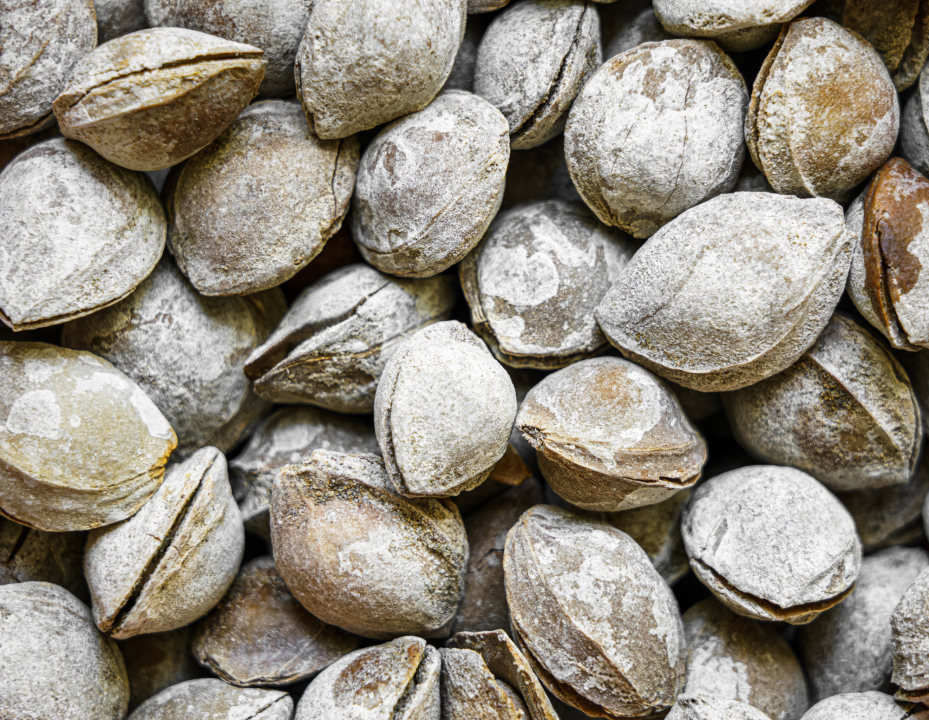
Our botanical lipids include Nilotica Shea from Northern Uganda, Apricot Kernel Oil from the Nepalese Himalayas and Sacha Inchi from the Peruvian Amazon.
Alongside them, advanced actives including PhytoCollagen™ and hyaluronic acid technology address other dimensions of changing skin.
Rather than adding more and more steps to a routine, our approach is to bring complementary mechanisms together within considered, high-performance formulas.
Because skin doesn't change in just one way.
And caring for it shouldn't focus on just one thing.
Frequently Asked Questions
Why does skin become drier as we get older?
Multiple age-related changes can contribute, including changes in barrier function, natural moisturising processes and skin lipids.
Can dry skin make wrinkles look more visible?
Dryness isn't the underlying cause of all wrinkles, but skin that lacks moisture can make fine lines appear more pronounced. Supporting hydration and the skin barrier can help skin look smoother and more supple.
Is hyaluronic acid enough for dry, ageing skin?
Hyaluronic acid is valuable for hydration, but water content is only one aspect of skin function. The lipid barrier also plays an essential role in limiting water loss, which is why we consider hydration and lipid support together.
Further Reading
- Amin R, Lechner A, Vogt A, Blume-Peytavi U, Kottner J. Molecular characterization of xerosis cutis: A systematic review. PLOS One. 2021;16(12):e0261253. DOI: 10.1371/journal.pone.0261253.
- Berdyshev E. Skin Lipid Barrier: Structure, Function and Metabolism. Allergy, Asthma & Immunology Research. 2024;16(5):445–461. DOI: 10.4168/aair.2024.16.5.445.